1. Plan with the owner
The crew talks through what is known, what the smell suggests and which parts of the building may be affected.
Ilchester, MD · Howard County
A dead animal inside ductwork or under a deck in Ilchester spreads smell fast. Call (877) 812-4220 and get a crew that finds the source, removes it and treats insulation and surfaces it touched.
If anyone is in danger, call 911 first. For a suicide crisis, call or text 988.
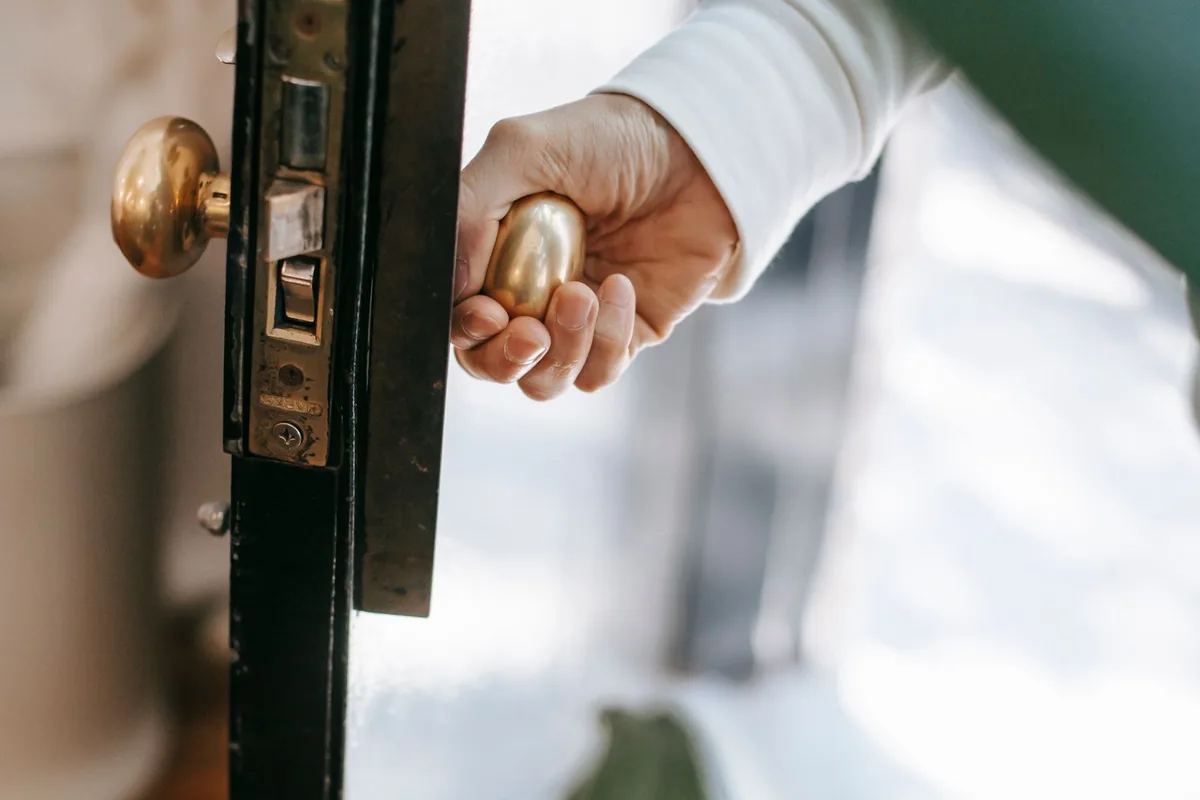
Dead animal odor removal means treating the source of a smell that does not fade with air fresheners. It involves locating the carcass, removing it and any soaked materials, and neutralizing odor in the area.
Need residential or commercial dead animal cleanup in Ilchester or nearby parts of Howard County? Wherever it is in your property, whether walls, ceilings, duct runs, chimneys, crawl spaces, porches or storage rooms, call Ilchester Biohazard Cleanup Help.
Most housing in Howard County is occupied, with a vacancy rate of about 3%, so a smell is usually noticed quickly, but wall voids and crawl spaces still hide carcasses. Only about 7% of homes in Ilchester were built before 1980, but newer homes still have attics, vents and wall voids that animals can reach.
What dead animal removal & cleanup covers:
The crew talks through what is known, what the smell suggests and which parts of the building may be affected.
The work zone is sealed off, and the animal is removed with care for the family, especially when it is a pet.
The carcass, nest and soaked insulation are packed out, and the area is cleaned to bare structure.
Surfaces are disinfected and odor is treated, so the space is comfortable to use again.
Expect dead animal removal & cleanup in Ilchester, MD to cost roughly $150 to $250, with the final price set after an on-site assessment.
Commercial, rental and vacant properties often need documented cleanup, which adds time but supports managers, buyers and landlords.
| Type of job | Typical range |
|---|---|
| Dead animal removal | $150 - $250 |
| Dead animal removal | $150 - $250 |
Figures are planning ranges from Bob Vila, HomeAdvisor, not a price for any specific Ilchester property. Price drivers include where the animal is, whether walls must be opened, size of the animal, odor and cleanup afterward. Call (877) 812-4220 any hour.
Do not touch it bare-handed. Wear heavy gloves, place it in a heavy bag, seal it and dispose of it according to local rules. Wash your hands well afterward. If it is large or you are unsure, call for help.
Eventually it fades, but that can take weeks, and fluids that soaked into insulation, carpet or wood keep releasing odor. Removing the animal and treating the area is much faster than waiting.
Hard surfaces, wood framing and items in sealed containers can usually be cleaned and kept. Insulation, carpet, padding and drywall that soaked up fluids are generally removed. The crew sorts items with you before anything is thrown out.
No. Cleanup removes the carcass and odor but does not close entry points. A wildlife or pest professional can seal gaps. Removing odor does help, since scent can draw other animals to the same spot.
Rules vary by city and county. Animal services or public works often remove animals from public roads and property, while private property is usually the owner's responsibility. Call your city or county animal services to learn what applies.
The smell comes from the carcass and any fluids, so the animal has to be found and removed. Air fresheners only cover it. After removal, the area is cleaned and treated, which usually clears the smell.
A dead animal can carry germs, so protection comes first.
Call (877) 812-4220